
Germany · Dresden, Saxony
Technische Universität Dresden
A full-range German University of Excellence strong in engineering, with no tuition and a German-language bachelor's
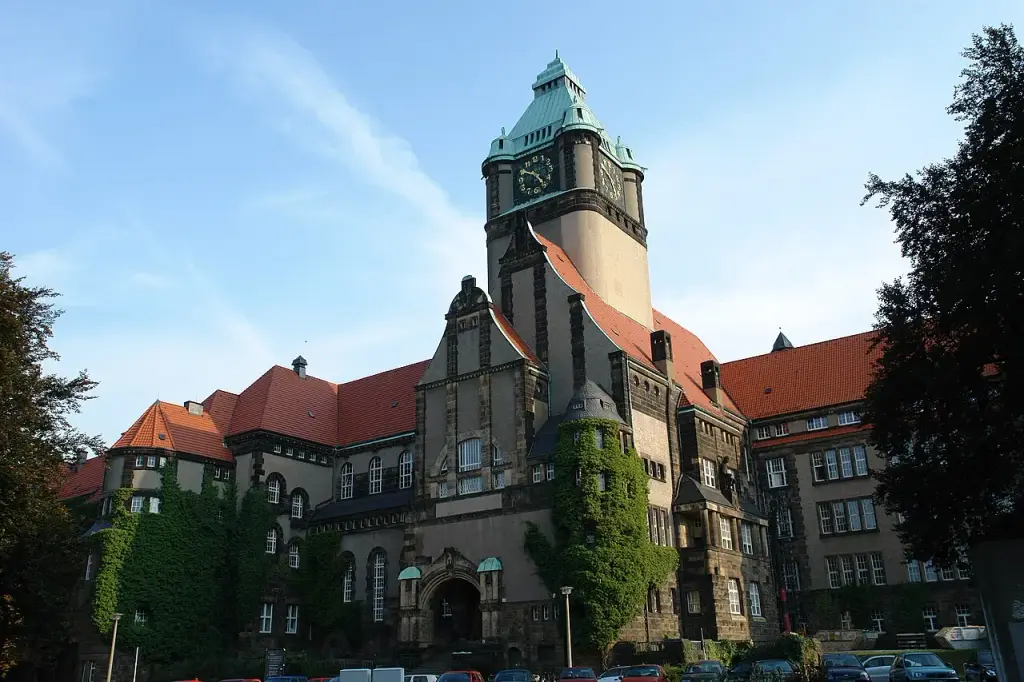
Photo: Hullbr3ach · CC BY-SA 2.5
- QS World Ranking 2027
- #185
- Founded
- 1828
- Students
- 29,000
- Bachelor's degree
- 3 years
- Acceptance rate
- Not published; numerus clausus programmes select by ranking, the others admit applicants who meet the requirements
- Typical IB offer
- Diploma: 2 languages, science, maths, social science, grade 4+; 1 of 3 HL in language, maths or science
- How admission works
- TU Dresden recognises the IB Diploma if the KMK requirements are met; applications go through uni-assist, which checks the certificate and calculates the average grade. Under the KMK rule, from examination year 2021 on, Maths at SL gives only subject-specific entrance. Programmes with numerus clausus rank applicants, and some bachelor's programmes add an aptitude assessment.
- Language of instruction
- German; only English-taught master's programmes are exempt from the German proof, so every bachelor's application needs it. Accepted for direct entry: DSH-2, TestDaF 4 in all sections, DSD II, Goethe C2, telc German C1 Hochschule. To sit the DSH exam you need a C1 certificate, or B2 plus a German course up to C1.
TU Dresden states no IB points cut-off and no A-level requirement; the IB subject conditions come from the KMK agreement.
Worth knowing
TU Dresden was founded in 1828 and has been a University of Excellence since 2012. It says its 5 clusters of excellence rank first among Germany's technical universities.
How hard is it to get in, and why
Applicants with a foreign certificate apply through uni-assist, which checks the documents in 4 to 5 weeks; TU Dresden then decides, in numerus clausus programmes after a ranking in mid-August. Some programmes add an aptitude assessment or, for International Relations, extra documents. The real filter for an IB student is German: proof of German is required for every bachelor's application, at DSH-2 or TestDaF 4 in all parts, or a C1 or B2-plus-course certificate to sit the DSH exam.
What it costs
Tuition
$800 per year
Saxony has no general tuition, and TU Dresden's fee list names only fees for distance study, a second degree, long-term students and continuing education. The semester contribution for winter semester 2026/27 is €361, with a Deutschlandsemesterticket; with two semesters a year that is €722. TU Dresden's own advice is about €850 a month for rent, food and personal items, which sits below the German student-visa figure of €992 a month, €11,904 for the first year (German Embassy Bangkok), so the visa figure is used as the floor.
Living costs
$13k per year
Scholarships and financial aid
There is no tuition to cover. The Deutschlandstipendium pays €300 a month for a full academic year (extension possible), funded half by the federal government and half by sponsors; the university lists it for prospective students and applicants, with applications open yearly from 1 to 15 July. For enrolled international students the International Office lists DAAD STIBET I scholarships and the DAAD Prize; the university advises starting to look for funding at least a year before studies and first checking the DAAD database.
How to apply
Applicants with a foreign certificate apply online through uni-assist, which charges €75 for the first application and €30 for each further one, and forwards complete files to TU Dresden after 4 to 5 weeks. The university's information sheet for international applicants gives 1 April to 15 July each year for bachelor's programmes starting in the winter semester; the exact dates for each programme are in its study information system entry. Decisions come within 4 weeks, or after the numerus clausus selection in mid-August. Proof of German goes in with the application.
Official websiteWhat makes it special
- 29,000 students, about 21% of them international, from 128 countries.
- 121 degree programmes in 17 faculties; engineering takes 22.7% of students and building and environment 26.6%.
- First-degree courses are Bachelor, Diplom and Staatsexamen programmes; the Transport Economics bachelor's takes six semesters, and other programmes may differ.
- A student-to-teacher ratio of 21:1, by the university's own figures.
- The DRESDEN-concept research alliance has 47 research institutions and cultural institutions.
- Member of TU9, the alliance of leading technical universities in Germany.
About studying in Germany
Public universities are close to free for most students; Bavaria, where TU Munich sits, has introduced a fee for students from outside the EU, still a fraction of Anglo-American prices. Most bachelor's programmes are taught in German (level C1 is expected), with a growing number in English. Admission for an IB Diploma is largely formal, and the real test is keeping up with a demanding, self-directed course.
Teaching staff
The dossier on teaching staff for this university is still being written.
The campus in photographs
Photographs come from Wikimedia Commons under free licences; the author and licence are shown on each image.
Reviews
No reviews yet. Visited, applied, or studied here? Be the first.