New Zealand · Auckland, North Island
The University of Auckland
New Zealand's largest university, in its largest city
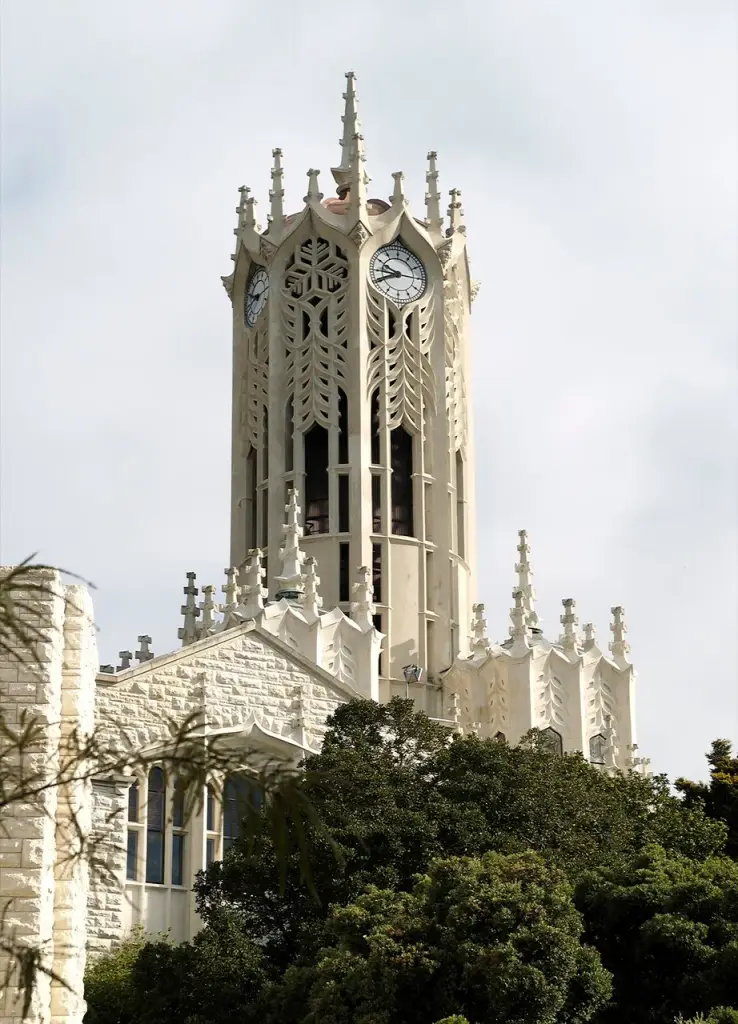
Photo: Colin Rose from Montreal, Canada · CC BY 2.0
- QS World Ranking 2027
- #67
- Founded
- 1883
- Students
- 50,000
- Bachelor's degree
- 3 years
- Acceptance rate
- Not published; admission by published IB/A-level score per programme
- Typical IB offer
- 26–34: Arts, Psychology, most BSc 26; Commerce, Biomed, Health Sci, some BSc 28; Engineering 32 (Maths, Physics HL)
- Typical A-level offer
- CCC–ABB: Arts CCC; Psychology, most BSc BCC; Commerce, Biomed, Health Sci, some BSc BBC; Engineering BBB
- How admission works
- English: IELTS Academic 6.0 with no band below 5.5, or an approved alternative test; the university may also consider secondary schooling in English or an IB/A-level study case by case. Architecture, dance, music, education and design add a portfolio, audition or interview. Medicine, optometry, pharmacy and medical imaging have no direct entry from school: selection follows year one of the BSc, Biomedical Science or Health Sciences, with UCAT and an interview for medicine (entry in 2028).
- Language of instruction
- English
These are the minimum scores in the university's 2027 table for overseas secondary qualifications, with A-levels counted on the best three academic subjects. Offers are made subject to the availability of places, so meeting the score does not guarantee an offer.
Worth knowing
The university is New Zealand's largest, with 49,901 students as of February 2026. Its science faculty runs the Leigh Marine Reserve and the Goldie Estate vineyards on Waiheke Island as teaching and research sites. Its Māori name is Waipapa Taumata Rau.
How hard is it to get in, and why
The university publishes a minimum score for each programme: IB 26 for Arts, Psychology and other BSc majors, 28 for Commerce, Biomedical Science, Health Sciences and the BSc majors Cell and Molecular Bioscience, Exercise Sciences, Medicinal Chemistry, Nutrition, Pharmacology and Physiology, 32 for Engineering. Meeting it is a condition for an offer, and offers are made subject to the availability of places. Medicine, optometry, pharmacy and medical imaging have no direct entry from school: students are selected on first-year results in a science or health degree, and medicine also uses the UCAT and an interview. Closest to Sydney, though the published IB numbers are lower.
What it costs
Tuition
$24k–34k per year
Estimated 2027 fees for a full-time year (120 points): NZ$42,236 for Arts (non-science courses) to NZ$60,910 for Engineering (Honours) and the top of the Science range. Optometry is NZ$72,158, and the university's printed 2027 figure for medicine from Year 2 is misprinted, so medicine is left out (its 2028 figure is NZ$91,754). Fees rise every year: the 2028 table shows Arts at NZ$44,770 and Engineering at NZ$64,564, and a Student Services Fee of about NZ$1,158 is added in 2027. Living costs: the university's 2026 prospectus estimates NZ$575 a week in a catered residence and NZ$600 in a shared house (2025 prices); multiplied over 52 weeks this gives NZ$29,900–31,200, above the NZ$20,000 a year Immigration New Zealand requires students to show. Engineering (Honours) takes 4 years full-time.
Living costs
$17k–18k per year
Scholarships and financial aid
The undergraduate scholarships on the university's international page are the International School Leaver Scholarship (up to NZ$20,000 towards tuition, for students who attended a New Zealand secondary school) and the Foundation Pathway High Achiever Award (up to NZ$20,000, for students from partner foundation pathways). The International Student Excellence and country High Achievers scholarships are listed for master's students only. A student arriving straight from an overseas school, such as an IB school in Thailand, fits neither undergraduate group, so check the university's scholarship finder for other awards.
How to apply
International applicants apply online to the university and should start early to leave time for a visa. For Semester One 2027, most programmes (Arts, Commerce, Engineering, Law Part I, Science, Design) close on 8 December 2026; Sport, Health and Physical Education closes on 31 January 2027. International undergraduate applications for Semester Two 2027 close on 8 June 2027. Some programmes add a portfolio, audition, interview or UCAT.
Official websiteWhat makes it special
- Published 2027 entry table: IB 26 for Arts and Psychology to 32 for Engineering, with A-level equivalents.
- Bachelor of Engineering (Honours) with a published requirement of Maths and Physics.
- Conjoint degrees: two bachelor's degrees studied together, with the entry requirements of both programmes to meet.
- City campuses within walking distance of university residences (catered and self-catered).
- Science faculty with more than 8,500 students, about 20% of them international.
About studying in New Zealand
A Bachelor of Arts at the University of Auckland takes three years (360 points), taught in English; IB applicants need a minimum diploma score of 24 to 26 (the Bachelor of Arts page gives 24 and 26 in different places) and IELTS Academic 6.0. International applicants apply online through the university's own application system, with closing dates on the Bachelor of Arts page of 8 December 2026 for Semester One 2027 and 4 July 2027 for Semester Two, and the university advises starting early to leave time for a visa. Estimated international fees for 2027 are roughly NZ$42,000 for most Arts courses, NZ$49,600 for Law and NZ$60,900 for Engineering (Honours), plus a Student Services Fee of about NZ$1,158. Fees are rising: the same table shows Arts rising about 6% to NZ$44,770 in 2028.
Teaching staff
The dossier on teaching staff for this university is still being written.
The campus in photographs
Photographs come from Wikimedia Commons under free licences; the author and licence are shown on each image.
Reviews
No reviews yet. Visited, applied, or studied here? Be the first.